
In today’s fast-paced business environment, outsourcing accounting has become a strategic decision for companies looking to improve efficiency, reduce costs, and access expert financial support. Businesses of all sizes are now shifting from in-house accounting teams to outsourced financial service providers.
This guide explains what accounting outsourcing is, its benefits, challenges, and best practices to help you make informed financial decisions for your business growth.
What is Accounting Outsourcing?
Accounting outsourcing refers to delegating your financial and bookkeeping tasks to an external accounting service provider. These tasks typically include accounts payable, accounts receivable, bank reconciliation, payroll processing, financial reporting, and tax compliance.
By outsourcing these functions, businesses can focus on core operations while ensuring their financial records are handled by experienced professionals.
Benefits of Accounting Outsourcing
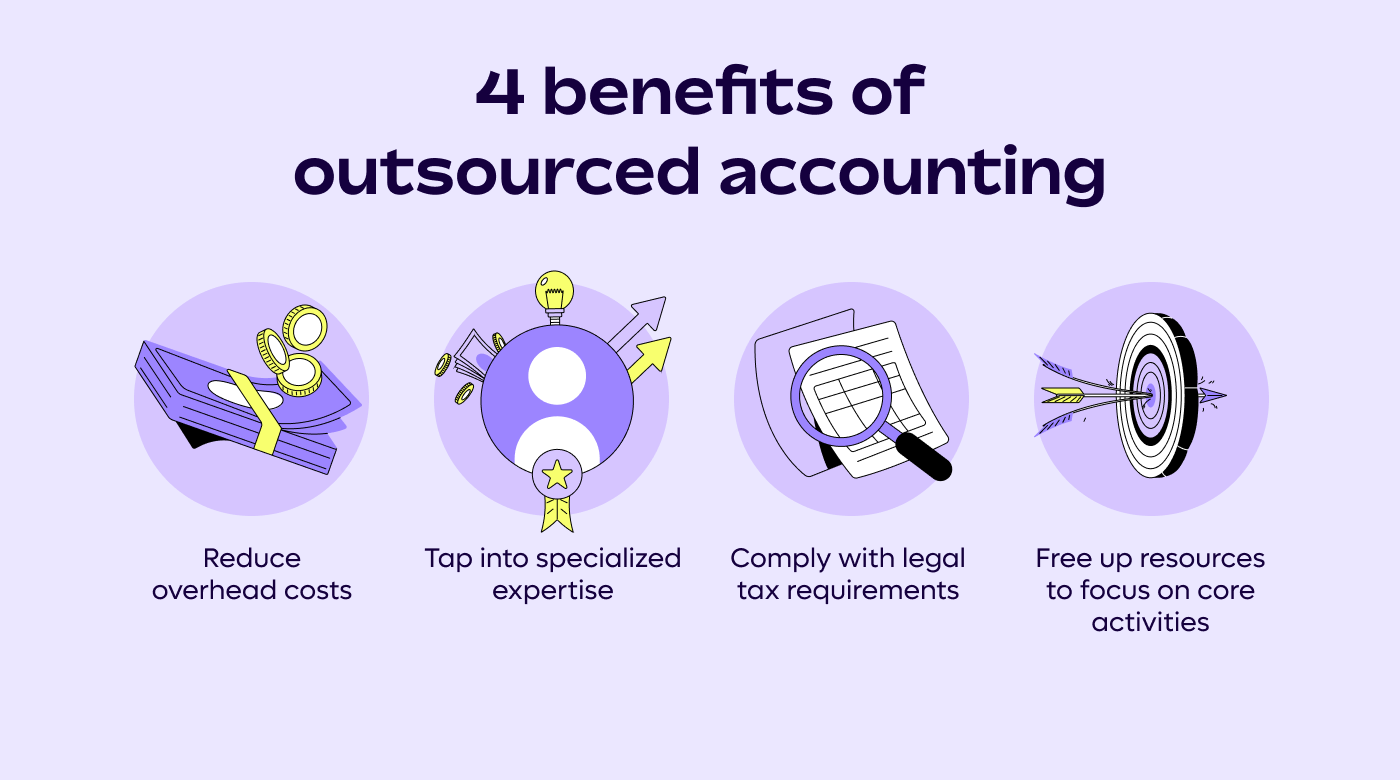
Outsourcing accounting provides multiple advantages that help businesses operate more efficiently and scale faster.
1. Cost Savings
- Reduced labor costs: No need to hire full-time accountants or build an internal finance team.
- Lower overhead expenses: Pay only for services you need instead of fixed salaries.
- Access to advanced tools: Gain access to professional accounting software without investing in expensive licenses.
2. Expertise & Accuracy
- Professional handling: Experienced accountants ensure compliance with latest regulations.
- Error reduction: Minimizes financial mistakes and reporting inaccuracies.
- Better compliance: Reduces risk of tax penalties and audit issues.
3. Time Efficiency
- Focus on core business: Free up time for sales, marketing, and operations.
- Faster reporting: Financial reports are generated more efficiently by professionals.
4. Scalability
Outsourced accounting services can easily scale as your business grows. Whether you expand operations or reduce activity, services can be adjusted without hiring or firing employees.
5. Improved Financial Insights
- Real-time reporting: Cloud-based systems provide up-to-date financial data.
- Better decision-making: Detailed reports help identify financial trends and opportunities.
Challenges of Accounting Outsourcing
1. Loss of Control
Outsourcing means relying on external providers, which can reduce direct control over financial operations. Choosing a trusted partner helps mitigate this issue.
2. Data Security Risks
Financial data is sensitive. It is essential to ensure your outsourcing provider follows strict security protocols and encryption standards.
3. Choosing the Right Partner
Not all accounting providers offer the same level of expertise. Proper research and vetting are necessary before selecting a partner.
Best Practices for Accounting Outsourcing
- Define your requirements: Clearly outline services, reporting needs, and budget.
- Select the right provider: Choose experienced firms with strong industry knowledge.
- Ensure communication: Maintain regular updates and reporting schedules.
- Monitor performance: Review financial reports and maintain oversight.
- Use modern tools: Prefer providers using cloud accounting and automation systems.
Conclusion
Accounting outsourcing is a powerful strategy for businesses aiming to improve efficiency, reduce operational costs, and gain access to expert financial management. When implemented correctly, it can significantly enhance financial accuracy and business scalability.
However, success depends on choosing the right partner, maintaining strong communication, and leveraging modern accounting technologies.
Quicken Accounting delivers professional outsourced accounting solutions tailored to your business needs, helping you save time, reduce costs, and maintain accurate financial records.
We serve businesses worldwide using leading platforms including QuickBooks, Xero, Odoo, and Sage. Plans start from $499/month with no long-term contracts.
