
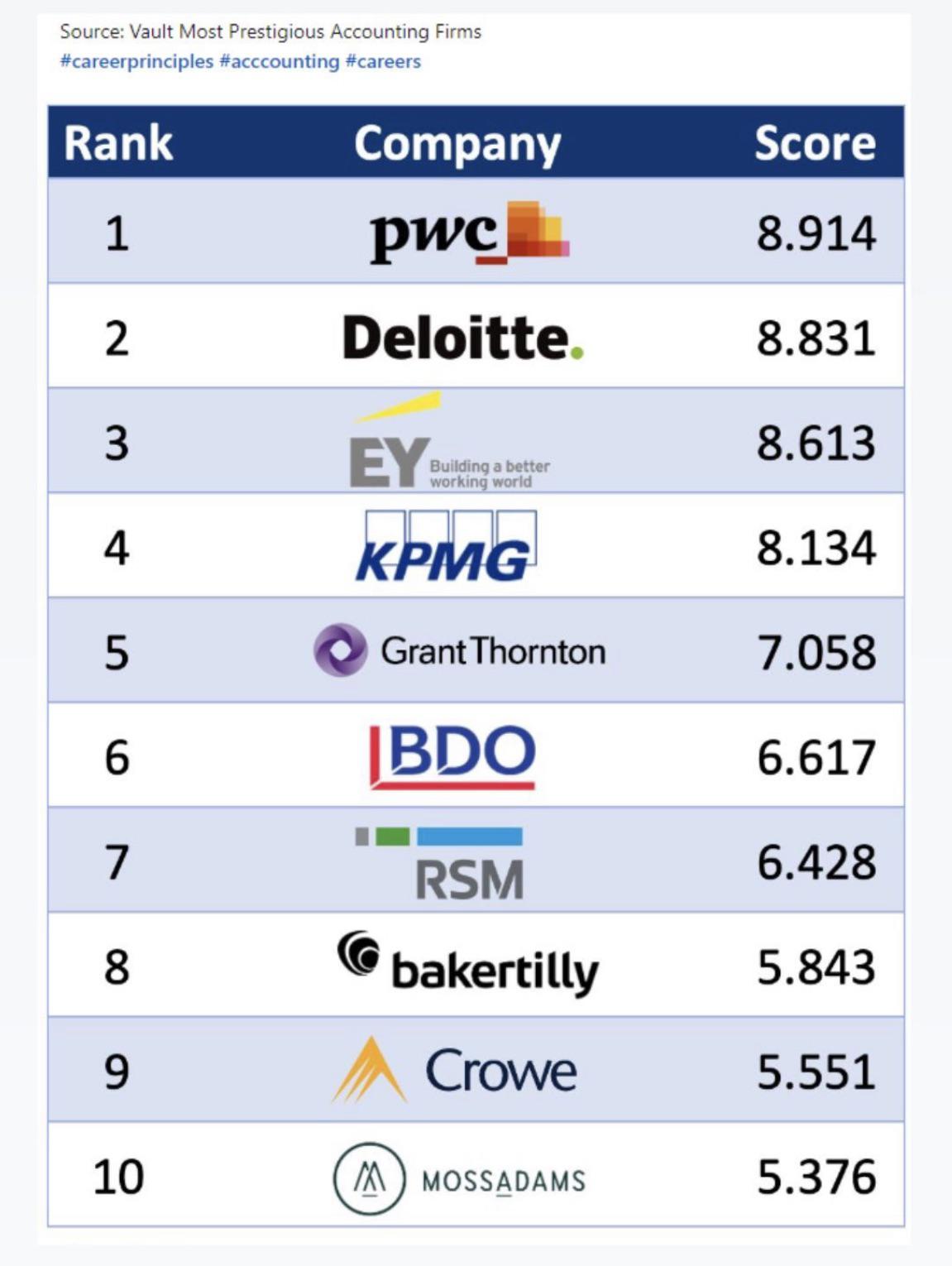
Choosing the right accounting firm is one of the most important financial decisions for any business. The right partner helps you reduce tax burden, improve cash flow, ensure compliance, and scale efficiently. The wrong one can lead to missed opportunities, poor reporting, and financial confusion.
In this guide, we break down exactly how to choose the best accounting firm for your business and what factors truly matter.
Why Choosing the Right Accounting Firm Matters
Related Services:
Outsourced Accounting & Finance Services — Full-service outsourced accounting department for businesses worldwide | View Pricing Plans — Transparent pricing from $499/month, no long-term contracts
An accounting firm is not just for bookkeeping—it becomes your financial backbone. From tax planning to strategic advisory, they directly impact profitability and growth decisions.
- Accurate financial reporting and compliance
- Better tax optimization and savings
- Improved cash flow visibility
- Strategic business decision support
1. Check Industry Experience
Not all accounting firms understand your industry. A SaaS business, real estate company, or logistics firm all require completely different financial structures.
For example:
- E-commerce needs marketplace reconciliation expertise
- Construction requires job costing systems
- SaaS companies need revenue recognition (ASC 606)
At Quicken Accounting, we build industry-specific financial systems for SaaS, real estate, logistics, manufacturing, and more.
2. Evaluate Technology & Software Capability
Modern accounting is fully digital. Your firm should not be dependent on spreadsheets.
Look for firms that work with tools like:
- QuickBooks Online
- Xero
- NetSuite
- Odoo ERP (advanced automation)
We also develop advanced automation systems through our technical division Quickenerp, where we build custom Odoo modules for full financial and operational automation.
3. Understand Their Service Range
A strong accounting firm should offer more than bookkeeping. It should act as a financial partner.
- Bookkeeping & accounting
- Tax planning & compliance
- Payroll management
- Financial reporting & forecasting
- Virtual CFO services
4. Check Automation & Integration Ability
Manual data entry is outdated. The best firms integrate your systems so data flows automatically between sales, operations, and accounting.
This includes integration with:
- CRMs (HubSpot, Salesforce)
- E-commerce platforms (Amazon, Shopify, Wayfair)
- Bank feeds and payment gateways
- ERP systems like Odoo or NetSuite
5. Review Communication & Support
A good accounting firm should not only deliver reports but also explain them clearly. You should always know:
- Where your money is going
- Your monthly profit trends
- Tax liabilities and risks
6. Pricing Transparency
Be careful of firms that hide pricing or charge unclear hourly rates. A good firm offers:
- Fixed monthly pricing
- Clear service breakdown
- No hidden charges
7. Ask About Scalability
Your accounting needs today will not be the same in 2 years. Choose a firm that can scale with you—from startup bookkeeping to full enterprise financial systems.
Why Businesses Choose Quicken Accounting
At Quicken Accounting, we don’t just do accounting—we build financial systems. We combine accounting expertise with automation, ERP integration, and industry-specific financial modeling.
Our clients benefit from:
- Automated accounting systems
- Industry-specific financial workflows
- ERP implementations via Odoo & Quickenerp
- Scalable CFO-level advisory
Conclusion
Choosing the right accounting firm is about more than price—it is about expertise, systems, and long-term scalability. A strong financial partner helps you grow faster, reduce risks, and make smarter decisions.
If you are looking for a modern, automation-driven accounting partner, Quicken Accounting is built for exactly that.
Quicken Accounting is a full-service outsourced accounting firm with offices worldwide, serving 500+ businesses across industries. We use QuickBooks, Xero, Odoo, and Sage to deliver scalable financial systems.
